Wednesday, June 12, 2013

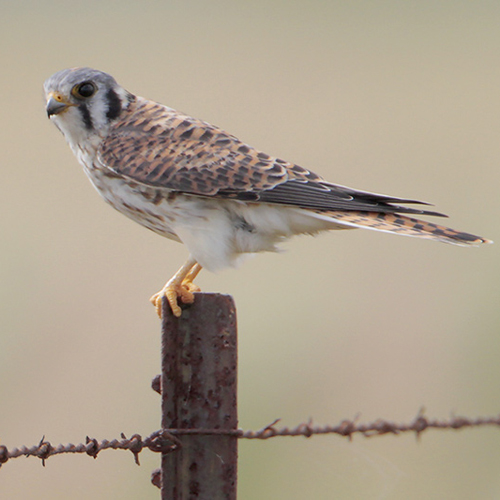
American Kestrel

American Kestrel's are Uncommon year round.

Habitat

American Kestrels are found in a wide variety of open habitats, among them agricultural areas, grasslands, shrub-steppe. They take advantage of clear-cuts and are typically found where open areas are combined with perching spots, such as trees, utility wires, and fence posts.

Behavior

Kestrels are often seen hovering in flight or perched upon wires in open areas. An American Kestrel can often be identified from afar by its characteristic tail-bob and its hunched silhouette.
Female
Male

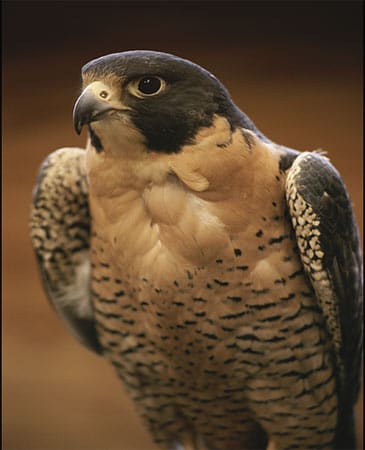
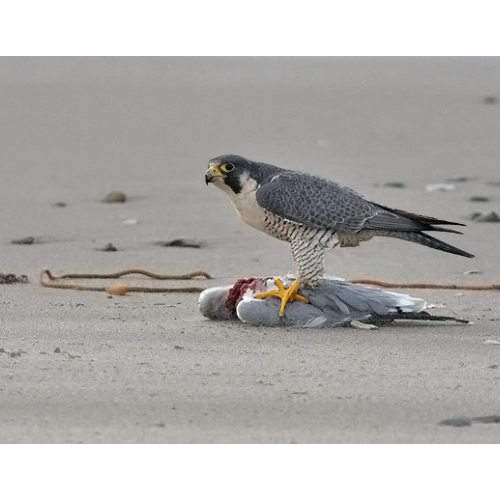
Peregrine Falcon

Peregrine Falcon's are Uncommon year round.

Habitat

Peregrine Falcons are typically found hunting in open areas, especially along bodies of water that provide habitat for their prey. cliff-like structures, man-made structures that are substitute.

Behavior

The Peregrine Falcon is the world's fastest bird. These aerial hunters are known for their steep power-dives, or stoops, sometimes reaching speeds up to 200 miles per hour. They dive from above to grab their prey out of the air with their strong talons. They also hunt closer to the ground, or from perches, overtaking their prey in flight.
North American Peregrine Falcon
Peale's Peregrine Falcon
Tundra Peregrine Falcon

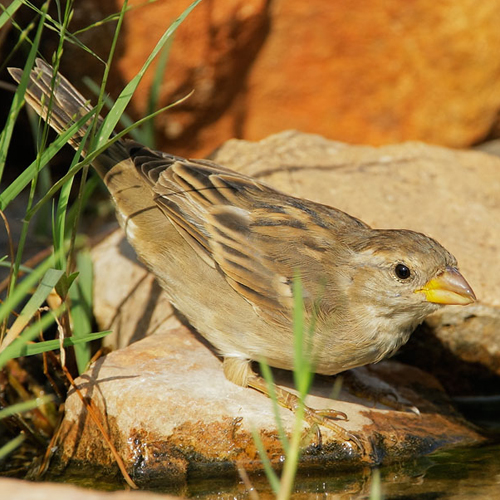
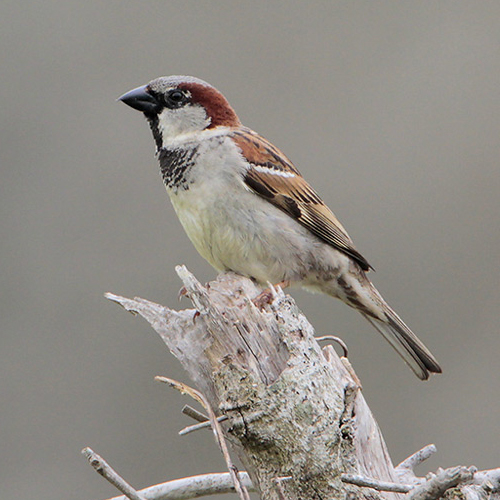
House Sparrow

House Sparrows are Common year round.

Habitat

House Sparrows are closely tied to areas of human habitation, in either urban or rural settings. They can survive on city sidewalks or in farmlands.

Behavior

House Sparrows form large flocks throughout the state. They forage while hopping on the ground, at feeders, or by perching on weed stalks. These sparrows are opportunistic and eat whatever is available. While they are not highly territorial with their own species, they are aggressive toward other species and may drive native birds out of their nests.

Female
Male

Tuesday, June 11, 2013

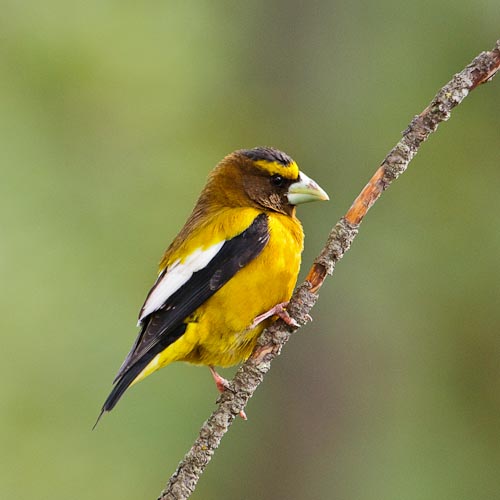
Evening Grosbeak

Evening Grosbeaks are Common in from Late April-November.

Habitat

Evening Grosbeaks breed in mixed conifer forests, but will used broadleaved trees for nesting and foraging. During migration and winter they are often found in open, broadleaved forests, especially ones with fruiting shrubs.

Behavior

Outside of the breeding season, Evening Grosbeaks are usually in noisy flocks. They typically forage in trees and shrubs, at the tops and outer branches. They also forage on the ground and often gather at roadsides or in campground fire-pits, where they forage on minerals. Large numbers gather in areas with outbreaks of spruce budworms.

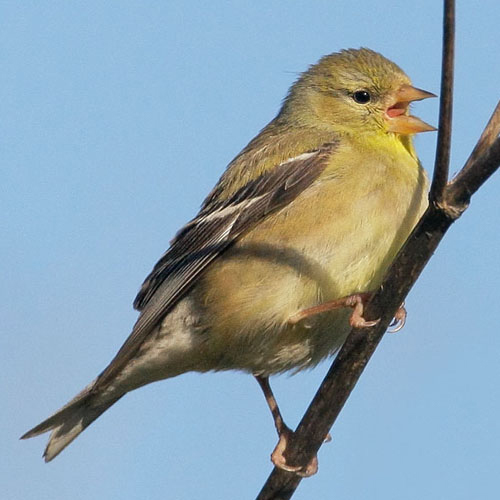
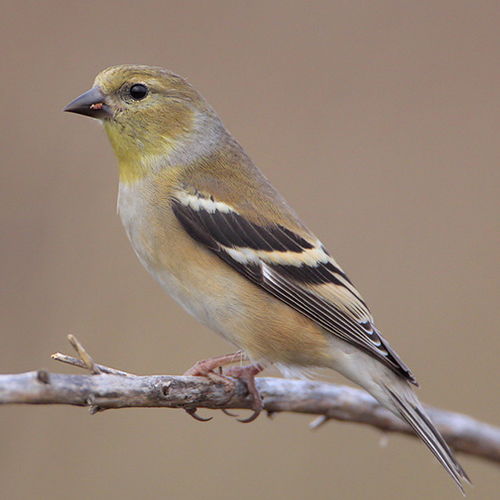
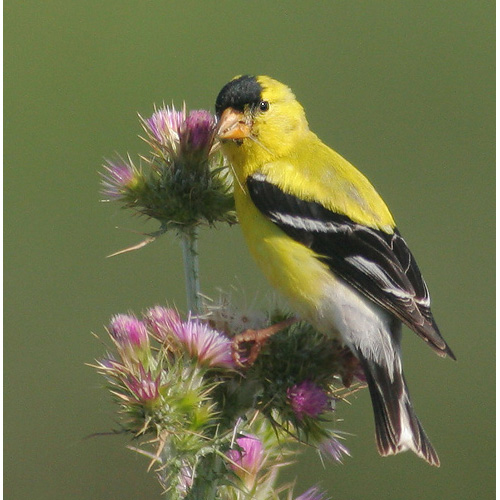
American Goldfinch

American Goldfinches are Common from Mid April-Mid October Uncommon rest of time.

Habitat

American Goldfinches can generally be found in brushy and weedy habitats at the edges of fields, rivers, and hedgerows, especially when thistle is present. Suburban gardens, poplar plantations, orchards, and other brushy areas with scattered deciduous trees are commonly used.

Behavior

Flocks are common outside of the breeding season, and American Goldfinches often flock with redpolls and Pine Siskins. They are active foragers, and climb about nimbly when foraging, often hanging from seed-heads and other objects. Like many finches, American Goldfinches have an undulating flight. They often give call notes on the upward strokes
Female
Non Breeding Male
Male

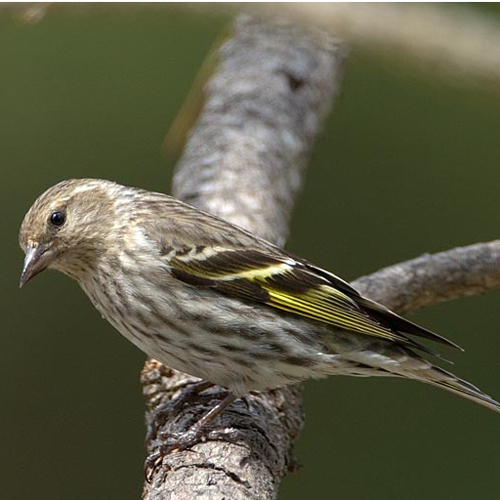
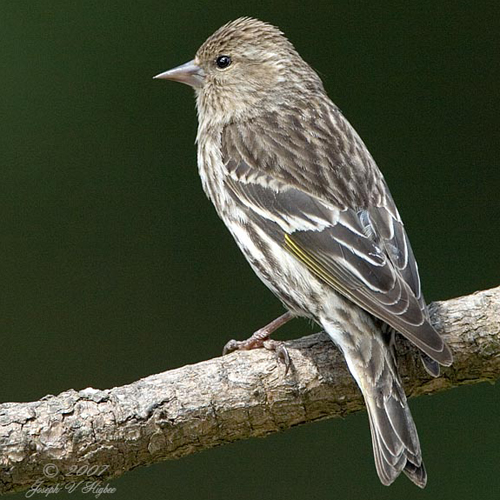
Pine Siskin

Pine Siskins are Common year round but are nomadic and depend's on food supply.

Habitat

Throughout their range, Pine Siskins typically breed in coniferous forests, although they are often found in mixed forests in the Puget Trough. During migration and winter, they can be found in many types of semi-open areas, including forest edges and weedy fields.

Behavior

Pine Siskins form flocks year round, and winter flocks may be quite large. They can be very common at bird feeders in urban areas. (Unfortunately, such dense concentrations may spread salmonella, especially when feeders are not properly cleaned.) Pine Siskins are active foragers and climb about nimbly when foraging in forest canopies and hedgerows, often hanging upside-down. They also occasionally forage on larger branches, much like a nuthatch. Like many finches, they have an undulating flight and often make aerial contact calls.
Male
Female

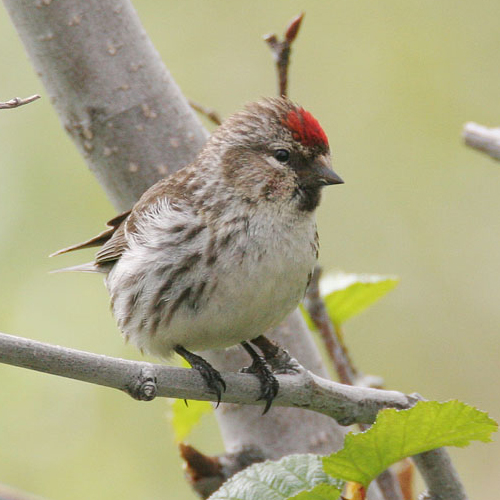
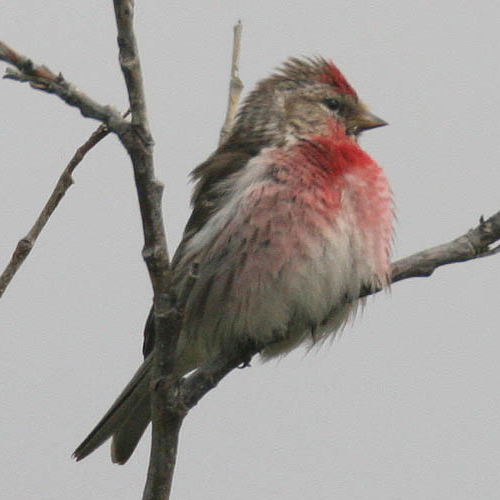
Common Redpoll

Common Redpolls are Abundant during irruptive year with birch catkins mainly from November-March very rare on non irruptive years during those months.

Habitat

Redpolls are Arctic and sub-Arctic breeders, and Common Redpolls typically breed in open coniferous forests and shrubby birch and alder thickets. During winter they inhabit various kinds of semi-open country, including woodland edges and brushy or weedy fields. They can often be found in birch, alder, or willow patches.

Behavior

Busy and acrobatic, Common Redpolls forage in flocks along hedgerows or in catkin-bearing trees. They are well adapted to feeding at the very tips of small branches, hanging upside-down, and using their feet to hold food items. They also forage on the ground, especially in winter, and move in rolling waves across ground-feeding areas. They have pouches in their throats that allow them to gather large amounts of food quickly, and then retreat to a safe place to process the food. In winter, they will drop from a tree into deep snow and make a tunnel about a foot long to a roosting chamber. Like many finches, they have an undulating flight pattern. They are quite vocal, making constant contact calls within their flocks, and are often located by their flight calls.
Female
Male